











The Somali Federal Government has demanded from Kenya to expand the bilateral cooperation between the two countries, specifically in the areas on counter terrorism, with the focus on communities living along the border between the two countries and establishing an early warning system to detect Al-Shabaab movements.
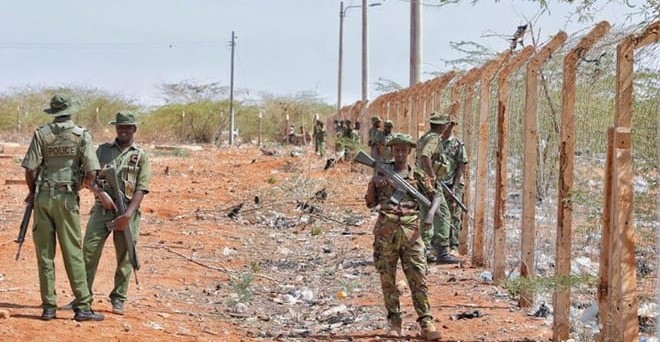
This move is part of efforts of Somalia and Kenya to prevent Al-Shabaab from exploiting the long, largely porous border between the two countries to cross back and forth, recruit new members, and build support networks.
Ali Yasin Gurbr, Director-General of Somalia’s National Center for Countering Terrorism and Preventing Extremist Violence, (TUBSAN) proposed incorporating community-based early warning programs into the military cooperation, and information sharing between the two countries.
Speaking at the Fifth Nairobi Caucus Meeting, Gurbe explicitly stated that residents of border areas can play a significant role in detecting the suspicious movements of armed groups, alerting security agencies, and preventing the recruitment of youth into extremist groups.
He noted that, given that A;-Shabaab’s activities span the borders of Somalia and Kenya, it is essential for both countries to establish a joint approach that extends beyond mere military operations.
He also proposed holding future meetings in border areas rather than limiting them to capitals of Nairobi and Mogadishu.
According to him, this approach would allow security agencies to gain a better understanding of the challenges faced by local residents, while simultaneously educating the community on how to counter the activities of extremist groups.
Somalia stated that it has already been implementing early warning and community awareness programs, and aims to share its experience and information with Kenya to strengthen bilateral cooperation.
He described Kenya as a key partner with whom Somalia shares common interests and security challenges, noting that both nations need to mount a joint response to the threat posed by extremist groups operating along the border.
On the other hand, Director of Kenya’s National Counter Terrorism Center (NCTC), Kibiego Kigen, stated that counter-terrorism cooperation is expanding and highlighted the importance of basing future security on collaboration between government agencies, civil society, and religious organizations.
The two-day conference held in Nairobi was attended by nearly 200 participants from 24 member countries of regional organizations, as well as representatives from United Nations agencies, regional bodies, and international partners.