











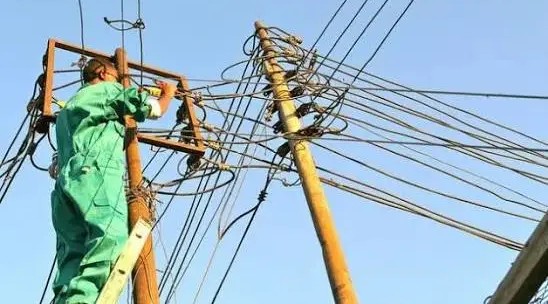
The electricity companies SomPower, Indho-birta, and Telesom Electric Company (TEC) have denied increasing electricity prices, stating that the rate of $0.59 per unit—established in January 2026—remains unchanged. The companies explained that the increases observed by some customers on their bills are due to higher electricity consumption, rather than an increase in the price per unit.
This development comes amid a dispute between the Somaliland government and the electricity companies, following a government decision to regulate electricity prices. The Somaliland Energy Commission set a cap, stipulating that the price per unit must not exceed $0.59. The Chairman of the Energy Commission, Abdi Ige Ahmed, had previously stated that the companies are obligated to comply with this decision.
On Monday, November 2nd, the Somaliland Police Force conducted operations at some of the electricity companies, following allegations that they had violated a presidential decree and directives from the Energy Commission, and had also failed to respond to police summons. The police stated that the action was a matter of law enforcement, dismissing reports that the companies had been “attacked.” In a press release issued on November 5th, the companies explained that electricity bills have varied throughout the year. They stated that electricity consumption decreased between March and May but rose from June to August due to the heat, while in September and October, some bills reached between $200 and $205.
The companies also attributed the increased service costs to rising fuel prices, noting that while a barrel of fuel cost $66, the government provided a subsidy of only $20. They added that 50% of customers—those with bills of $11 or less—did not face any price increases, while another 13% saw their bills rise by between $1.50 and $4.50.
Furthermore, they stated that they have invested over two million dollars in electricity infrastructure and extended service to more than 680 locations, including mosques, police stations, health centers, and government facilities. They argued that this investment is essential for maintaining service continuity and developing infrastructure.
Finally, the companies called for dialogue between the government, consumers, and the companies themselves to reach a resolution regarding the dispute over electricity prices. However, the dispute remains rooted in the implementation of the government’s decision to regulate electricity prices, as well as consumer complaints regarding electricity bills.