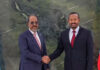






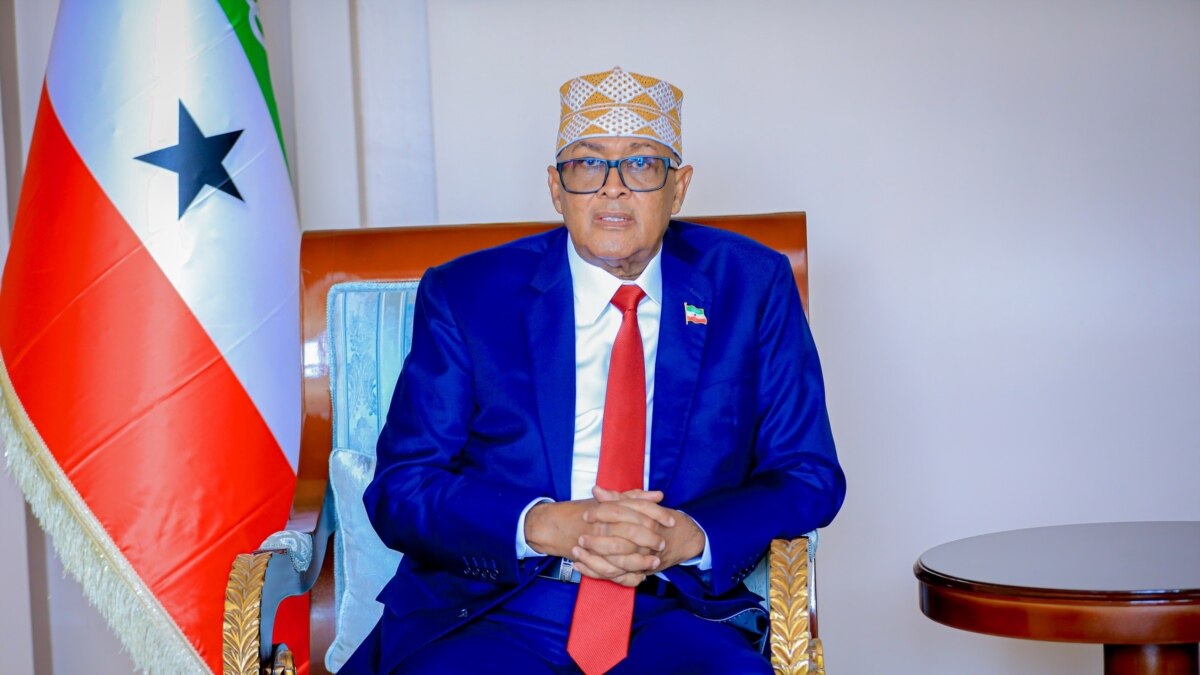
Hargeisa, Somaliland – In a significant diplomatic move, the president of Somaliland, Abdirahman Mohamed Abdullahi, known as “Aro,” has called on the British government to formally recognize his region’s independence as a sovereign state. He also urged London to adopt a stance similar to Israel’s recent recognition of the state, which gained de facto independence in 1991.
A call to end double standards
In an interview with The Telegraph, Abdullahi affirmed the strong historical ties between Hargeisa and London. He pointed out that Somaliland meets all the criteria stipulated in the Montevideo Convention for statehood. He also accused the British Prime Minister of applying double standards, questioning Britain’s reluctance to recognize a region that has achieved a quarter-century of democratic stability, free elections, and success in combating terrorism and piracy. He contrasted this with Somalia, which he described as a “failed state.”
Britain occupies a special position in this matter as the UN’s “penholder” for the region. This places a legal and historical responsibility on its shoulders.
Although Hargeisa has a legal system derived from British law and a shared history dating back to the colonial era, London maintains a cautious stance that favors preserving the unity of Somalia. Hargeisa views this position as “undermining its national interests.”
The struggle for interests and influence
Somaliland enjoys a strategic location and abundant natural resources, including gold and other minerals. However, it suffers from international financial isolation, being denied sovereign loans and support from international institutions such as the World Bank and the IMF. This hinders long-term development. Experts like Omar Mohamud of the International Crisis Group warn that rushing to recognize Somaliland could ignite border conflicts with Puntland or reignite existing disputes in the region. They also assert that London’s policy of “strategic ambiguity” aims to avoid a diplomatic clash with the African Union.
Criticism of “British hesitation”
In contrast, Sir Gavin Williamson, the former British defense secretary, argues that this hesitation reflects a “leadership failure” stemming from a sense of colonial guilt. Williamson also asserts that the vacuum left by Britain’s diplomatic absence is being exploited by powers such as China and Turkey. He emphasizes that a “blind adherence to meaningless international law” is now hindering British interests.
Despite the pressure and controversy, President Abdullahi remains optimistic. He announced his intention to make an official visit to Jerusalem this year, reaffirming the strength of the partnership with Tel Aviv. He also reiterated his firm rejection of rumors linking his country to Argentina’s claims to the Falkland Islands. He emphasized Hargeisa’s full support for British sovereignty. These developments present the British government with a moral and strategic challenge: will it continue its traditional approach, or will it begin to reassess its relationship with Somaliland, which insists it is a “de facto nation”?
Voice of Emirates