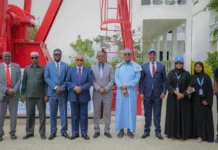
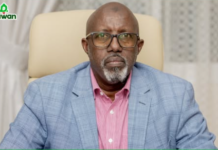
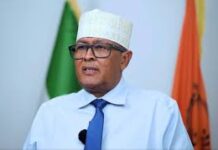
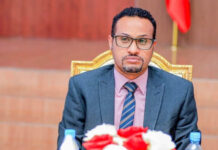
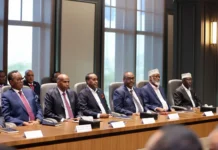
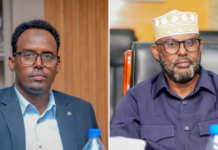




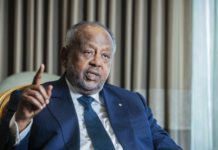


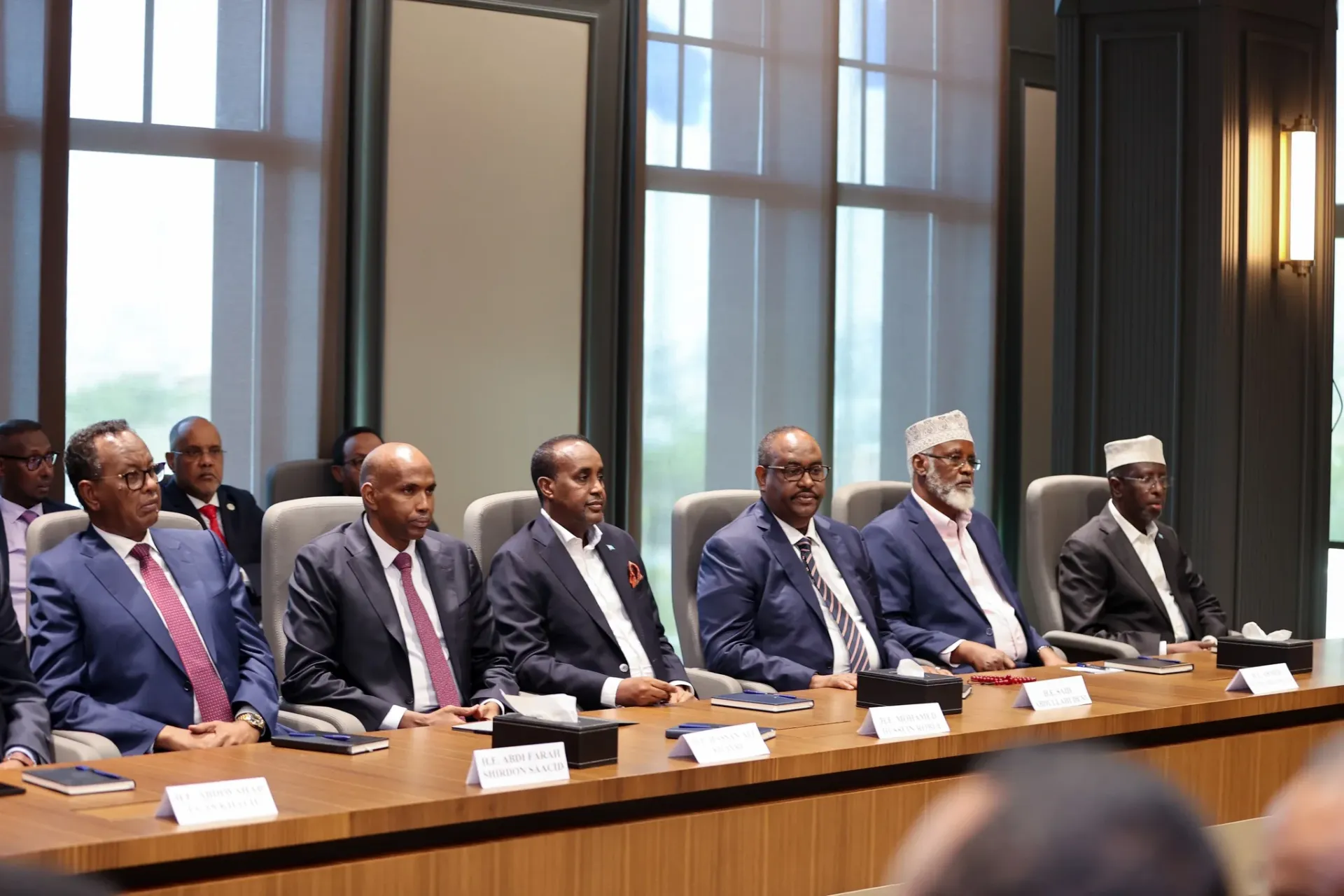
The Somali Future Council has strongly rejected the proposed amendment of the Somali Federal provisional constitution. They argue that the way in which the revision of the constitution has been implemented violates constitutional laws, parliamentary bylaws, and the law stating that two-thirds of the bicameral parliament must approve it. The council emphasizes that the constitution is a social contract and the foundation of the state and national unity. It cannot be replaced by the political will of a few individuals or a group. The council insists that any constitutional amendment must be made through legal means, such as an inclusive political agreement or consultation with the people, and in full compliance with the provisional constitution. This statement was issued by the council just hours after the Somali parliament approved the revised constitution in Mogadishu. However, the regional administrations of Puntland and Jubaland have strongly opposed the revised constitution, and more than 50 MPs have refused to attend parliamentary sessions. Opposition politicians, including former leaders and influential figures, have also expressed their opposition to the proposed amendment. The council reiterates that a constitution amended through suppression, bribery, or any other means that violate the law cannot be a national constitution that unites the Somali people. It cannot be politically binding and cannot serve as the foundation of the state. The council also holds the Somali President, Mr. Hassan Sheikh Mohamud, responsible for spearheading the process of forcibly or through bribery altering the constitution. The council stresses the need for national and political unity, and a leader who can unite the people. They argue that the unlawful amendment jeopardizes the unity of the people, the coordination of the fight against terrorism, the possibility of an inclusive election, and the achievements of pacification and state-building. In conclusion, the council calls on regional administrations and political stakeholders to defend the constitutional process and the law in the country. They urge traditional leaders, religious scholars, women, youth, civil society, and the diaspora communities to reject any infringement upon the constitutional amendment. The council warns that silence will be interpreted as implied acceptance. They also call on the international community to use every platform to ensure that any amendment to the constitution is legal, inclusive, and based on national agreement. The council reaffirms their recognition of the provisional constitution of 2012, which serves as the basis for unity, power sharing, parliamentary processes, and elections held every four years.