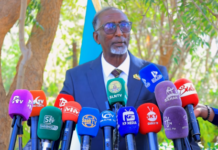

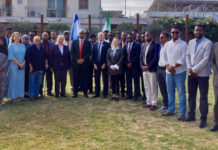
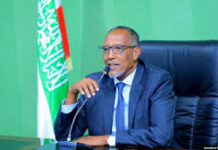

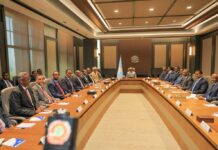

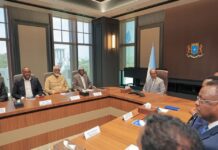


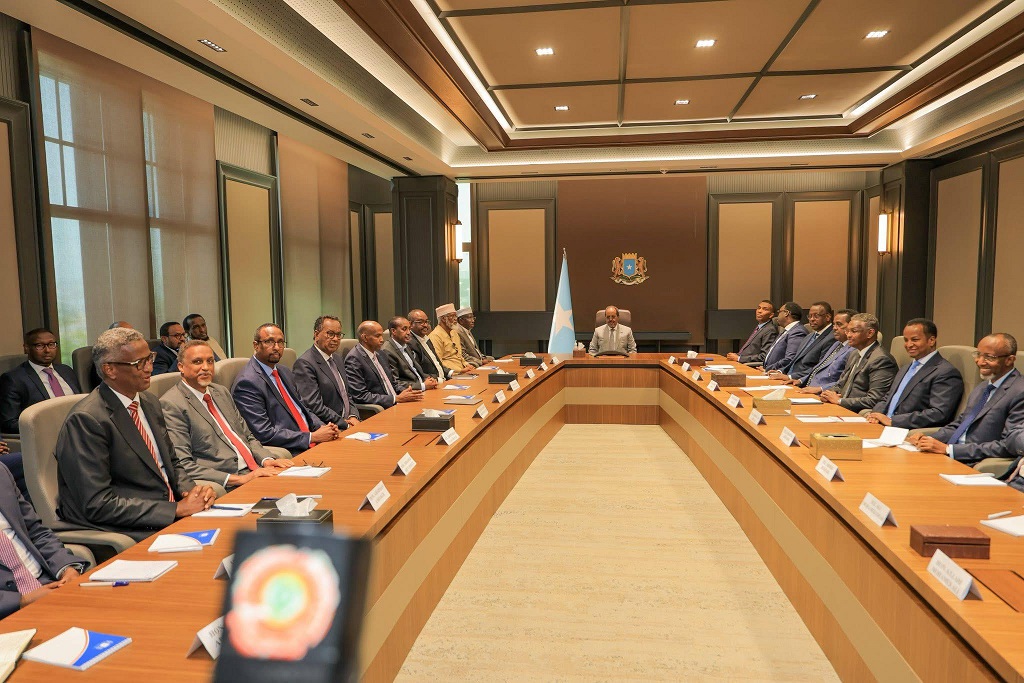
The ongoing talks between the Somali Future Council and the Somali Federal Government, which have been taking place in Mogadishu, aimed to reach a solution on the current political stalemate. However, they collapsed after the two sides failed to reach a compromise on the type of elections that will be held in the country and the completion of the transitional constitution. The Somali Future Council, the largest opposition bloc, brings together Puntland, Jubaland, and opposition politicians from the Somali Salvation Forum. In a press statement issued on Monday, the council expressed disappointment and placed the blame on the current Somali President, Mr. Hassan Sheikh Mohamud. The statement read, “The Somali Future Council is deeply disappointed to inform the Somali population that the talks with the Somali Federal Government have ended without reaching an outcome. The council entered the dialogue with a positive attitude and with consideration for the current situation in the country, including the widespread drought, division within the population, economic hardships, and the impact of geopolitics on state-building and unity among the Somali people. Our responsibility was to prevent political uncertainty and ensure that the agreed-upon election process is held in a timely manner before the mandate of the current Somali Federal Government expires. We attended the talks without setting conditions and were ready to make compromises that would lead to political stability and national unity.” The council engaged in talks while the Somali Federal Government was unilaterally amending the constitution, and more than 50 Members of Parliament were refused entry to parliamentary sessions due to security threats. The council also stated that its members faced political and security pressure and were subjected to a smear campaign in the media, which undermined trust in the talks. As stated in the press statement of the Somali Future Council, there were three main points of contention that led to the standoff. Firstly, the council insisted that the 2012 transitional constitution is the foundation law of the country and any amendments should be made through a national agreement that is inclusive and involves real consultations with the public. They also stressed the need to ensure a balance of powers between the federal government and federal member states. On the other hand, the Somali Federal Government refused to listen to anyone. Secondly, the council insisted that elections in Federal Member States whose term in office had expired should be held in accordance with the constitutions of the regional authorities and the principles of the transitional constitution, which separates the powers of the federal government and federal member states. However, the Somali Federal Government wanted these elections to be held according to the ongoing amendment of the constitution, which the council strongly disagreed with. The government’s plan would involve the National Election Commission overseeing the elections, similar to the local elections held in Banadir region last year, which were marred by widespread voter fraud. Lastly, the council stressed the need to reach a political settlement before April 15th, which includes determining how members of parliament will be elected, ensuring an effective and inclusive timetable, and conducting the elections within the remaining constitutional term. However, the government only wanted the Commission to provide advice and not have the power to make decisions. Despite the collapse of the talks, officials from both sides, including the presidency and the Prime Minister, have stated that there is still a chance for the talks to continue and succeed. Both sides are aware that the international community will continue to pressure them to reach a political settlement.