





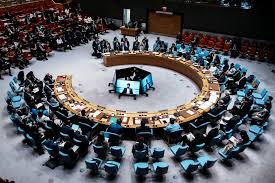
The emergency session of the United Nations Security Council on December 29, 2025, convened to address Israel’s recognition of Somaliland, marks a fundamental shift in Horn of Africa diplomacy. While the session allowed for a pro forma reaffirmation of the international community’s conventional stance on state continuity – primarily to satisfy existing legal protocols – the actual proceedings revealed a profound divergence in diplomatic maturity. Somalia’s reliance on parochial clan narratives inadvertently backfired, providing a global stage that validated Somaliland’s decades-long case for “earned sovereignty” as a distinct, functional state.
𝐓𝐡𝐞 𝐂𝐨𝐧𝐟𝐥𝐢𝐜𝐭 𝐨𝐟 𝐍𝐚𝐫𝐫𝐚𝐭𝐢𝐯𝐞𝐬: 𝐂𝐥𝐚𝐧 𝐯𝐬. 𝐂𝐨𝐧𝐭𝐫𝐚𝐜𝐭
The primary tension during the session emerged from the specific language used by the Somali delegation. Ambassador Abukar Osman framed Somaliland’s independence movement as a parochial undertaking of the Isaaq clan rather than a unified political entity. By reducing a three-decade-old governance endeavor to a “clan-based enclave,” Somalia’s rhetoric struck a discordant note in a forum governed by the principles of international law.
Diplomatic observers noted that this tribal framing had the unintended consequence of emphasizing Somalia’s internal fractures. In a chamber where arguments usually center on the UN Charter and questions of state continuity, the focus on lineage suggested a domestic grievance rather than a sovereign dispute. This approach effectively lowered the debate from the level of international statehood to that of an internal ethnic disagreement, undermining the moral authority of Mogadishu’s claim.
𝐀 𝐓𝐡𝐫𝐞𝐞-𝐃𝐞𝐜𝐚𝐝𝐞 𝐄𝐧𝐭𝐞𝐫𝐩𝐫𝐢𝐬𝐞 𝐨𝐟 𝐈𝐧𝐭𝐞𝐥𝐥𝐢𝐠𝐞𝐧𝐭 𝐆𝐨𝐯𝐞𝐫𝐧𝐚𝐧𝐜𝐞
In contrast to the emotional and identity-based arguments advanced by Mogadishu, Somaliland’s proponents have cultivated a narrative grounded in performance legitimacy. Since 1991, Somaliland has developed a model of intelligent, inclusive governance that has successfully united the various regions and clans within its borders. Its case to the UN rests on several objective pillars:
– 𝐈𝐧𝐬𝐭𝐢𝐭𝐮𝐭𝐢𝐨𝐧𝐚𝐥 𝐈𝐧𝐭𝐞𝐠𝐫𝐚𝐭𝐢𝐨𝐧: Somaliland’s hybrid system – combining modern democratic institutions with traditional elders (the Guurti) – has maintained domestic peace and social cohesion for more than three decades. This unity has been a cornerstone of their argument that they represent a stable successor to the former British protectorate.
– 𝐃𝐞𝐦𝐨𝐜𝐫𝐚𝐭𝐢𝐜 𝐌𝐚𝐭𝐮𝐫𝐢𝐭𝐲: Somaliland has held multiple competitive elections characterized by high voter participation. The 2024 presidential election, which resulted in a peaceful transfer of power to an opposition candidate, underscored a level of democratic consolidation rarely observed in comparable post-conflict contexts.
– 𝐅𝐮𝐧𝐜𝐭𝐢𝐨𝐧𝐚𝐥 𝐒𝐭𝐚𝐭𝐞𝐡𝐨𝐨𝐝: By maintaining its own currency, passport system, and security forces – while effectively policing its own borders and coastline – Somaliland has demonstrated the practical attributes of a sovereign state through consistent performance and institutional persistence.
𝐅𝐫𝐨𝐦 𝐈𝐬𝐨𝐥𝐚𝐭𝐢𝐨𝐧 𝐭𝐨 𝐈𝐧𝐭𝐞𝐫𝐧𝐚𝐭𝐢𝐨𝐧𝐚𝐥 𝐏𝐫𝐨𝐜𝐞𝐬𝐬
Israel’s recognition has shifted Somaliland from a dormant regional issue into an active international process. The UN session revealed that the long-standing policy of keeping Somaliland in diplomatic limbo is increasingly viewed as unsustainable. Even the United States, while stopping short of formal recognition, defended the sovereign right of nations to choose their diplomatic partners and pointedly highlighted the inconsistency in the Council’s selective responses to self-determination claims.
The discourse is now evolving from a binary “yes or no” debate toward a managed diplomatic pathway. Proposals raised during the session pointed toward options such as:
– 𝐍𝐞𝐠𝐨𝐭𝐢𝐚𝐭𝐞𝐝 𝐒𝐞𝐭𝐭𝐥𝐞𝐦𝐞𝐧𝐭: Formal discussions on resource-sharing arrangements and border security mechanisms between Hargeisa and Mogadishu.
– 𝐒𝐭𝐫𝐚𝐭𝐞𝐠𝐢𝐜 𝐀𝐥𝐢𝐠𝐧𝐦𝐞𝐧𝐭: Recognition of Somaliland as a reliable partner in counter-terrorism efforts and Red Sea security.
𝐂𝐨𝐧𝐜𝐥𝐮𝐬𝐢𝐨𝐧
The December 29 session demonstrated that Somaliland’s record of self-governance has created facts on the ground that can no longer be dismissed through tribal rhetoric. By attempting to marginalize a three-decade-old mission as a clan-based enterprise, Somalia inadvertently highlighted the very institutional coherence and long-term stability that strengthen Somaliland’s case in the eyes of the international community.
The road to full recognition remains complex. But the conversation has shifted. Somaliland is no longer pleading from the margins; it has become a central subject in a global debate over how stability, democratic performance, and institutional maturity should be weighed in the international order.
𝐀𝐛𝐨𝐮𝐭 𝐭𝐡𝐞 𝐀𝐮𝐭𝐡𝐨𝐫: Abdikarim Osman, author of Xilkas, is an expert in leadership dynamics and strategic development. He follows the evolution of governance and regional geopolitics with a focus on institutional maturity.