

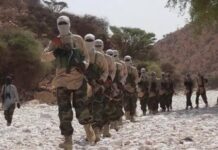


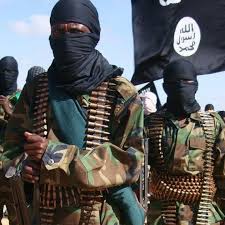
A new report by the Armed Conflict Location & Event Data Project (ACLED) states that Al-Shabaab remains the most powerful non-state armed group in Somalia and the most violent Al-Qaeda affiliate globally.
ACLED notes that Al-Shabaab is waging a long-standing insurgency in Somalia, maintaining control or significant influence over vast rural areas in the country’s central and southern regions.
According to the organization’s data, more than 2,300 incidents of political violence involving Al-Shabaab have been recorded in Somalia since the beginning of 2026.
ACLED states that this figure represents nearly half of all violent incidents worldwide linked to Al-Qaeda-affiliated groups this year.
The report identifies the Lower Shabelle region as the area with the highest levels of Al-Shabaab-related violence in Somalia since the start of the year.
The group also continues to maintain a strong foothold in the rural areas of central and southern Somalia, where it has established financial and administrative networks that enable it to sustain its operations. ACLED stated that Al-Shabaab also derives significant funding from networks spanning Somalia and the wider region; however, while its financial activities within Mogadishu have somewhat weakened, the organization expressed concern regarding the future of international support for security operations in Somalia.
The organization noted that the U.S. decision to terminate financial and logistical support for the United Nations Support Office in Somalia (UNSOS) by December 2026 could jeopardize the sustainability of the African Union peacekeeping mission in the country. According to ACLED, if the African Union mission’s capabilities diminish, Al-Shabaab could gain new opportunities to reclaim territory previously lost to the government and exert increased pressure on government-held cities in 2027.
ACLED’s assessment also highlighted Al-Shabaab as an example of how the Al-Qaeda network has evolved in the 25 years since the September 11 attacks; rather than remaining an organization with a single geographic hub, its affiliated groups have become deeply embedded in local conflicts across various countries.